

Verified researcher
Dr Amara Okafor✓
Literacy · PhD · Literacy education · Wits
Literacy researcher. How children learn to read, and what actually helps.
5 followers · 1 following · 3 sources shared · 67% of posts carry a peer-reviewed source
Podcasts

People with similar interests
 Mrs Hartley
Both follow Reading, Development
 Thandi Nkosi
Both follow Reading, Schools
 J. Pillay
Both follow Development, Language
 Dr Naledi Mokoena
 Marius de Villiers
Both follow Development, Language
Posts
 💡 Idea
Idea · Episode
Miranda Fricker on Blame
We blame people, and sometimes we blame institutions. Miranda Fricker investigates the nature of blame and its functions, draws some important distinctions, and considers the metaphysical implications of this practice.
Dr Amara Okafor
Discussion · Reading
Where I part ways with “read the effect sizes properly”
Agree on the maths. Disagree on what a small effect means for a classroom of thirty.
Dr Amara Okafor
Research · Reading
Does reading aloud still help after a child can read alone?
Shared book reading with young children is consistently linked to stronger language and early literacy outcomes.
Dr Amara Okafor
2 sources
 🔬 Research
Research · Episode
Why we should all be 'bookmaxxing'
Remember your mom, dad and teachers telling you to read because it’s good for you? Well, a compilation of the latest research shows they were right. “Reading is one of the simplest and most accessible activities for actually supporting cognitive performance, brain health, mental health, but also overall wellbeing throughout our lives,” said Christelle Langley, a cognitive neuroscientist at the University of Cambridge and co-author of review, published in the journal Psychological Medicine. The review looked specifically at recreational reading — reading for fun — and found broad benefits for children, adolescents and older adults. This episode, we dive deep into the joys and health benefits of bookmaxxing. Interested in the science of reading? Email us your question at shortwave@npr.org. Support public media with NPR+ and enjoy perks for over 25 podcasts like this one. This show’s perks include sponsor-free listening. Learn more at plus.npr.org. See pcm.adswizz.com for information about our collection and use of personal data for sponsorship and to manage your podcast sponsorship preferences. NPR Privacy Policy
Dr Amara Okafor
 🔬 Research
Research · Episode
The latest on AI panic — and whether it's justified
AI is in the news again – for its potential to end civilization. A researcher at Anthropic resigned very publicly last week, citing concerns about the accelerating capabilities of AI and what he called “irresponsible” behavior from major AI companies Anthropic and OpenAI. Following his resignation, the leaders of both companies called for an internationally cooperative, industry-wide slowdown on advanced AI development. And Wednesday, OpenAI disclosed six more incidents of “unexpected or concerning model behavior” and debuted a new framework for reporting misalignments. So, given all these events, how worried should we be about the future of AI? And what safety measures are – or could be – set in place to safeguard humanity? NPR’s power and policy reporter Huo Jingnan reports. Interested in more science and technology news? Email us your question at shortwave@npr.org. Support public media with NPR+ and enjoy perks for over 25 podcasts like this one. This show’s perks include sponsor-free listening. Learn more at plus.npr.org. See pcm.adswizz.com for information about our collection and use of personal data for sponsorship and to manage your podcast sponsorship preferences. NPR Privacy Policy
Dr Amara Okafor
 🔬 Research
Research · Episode
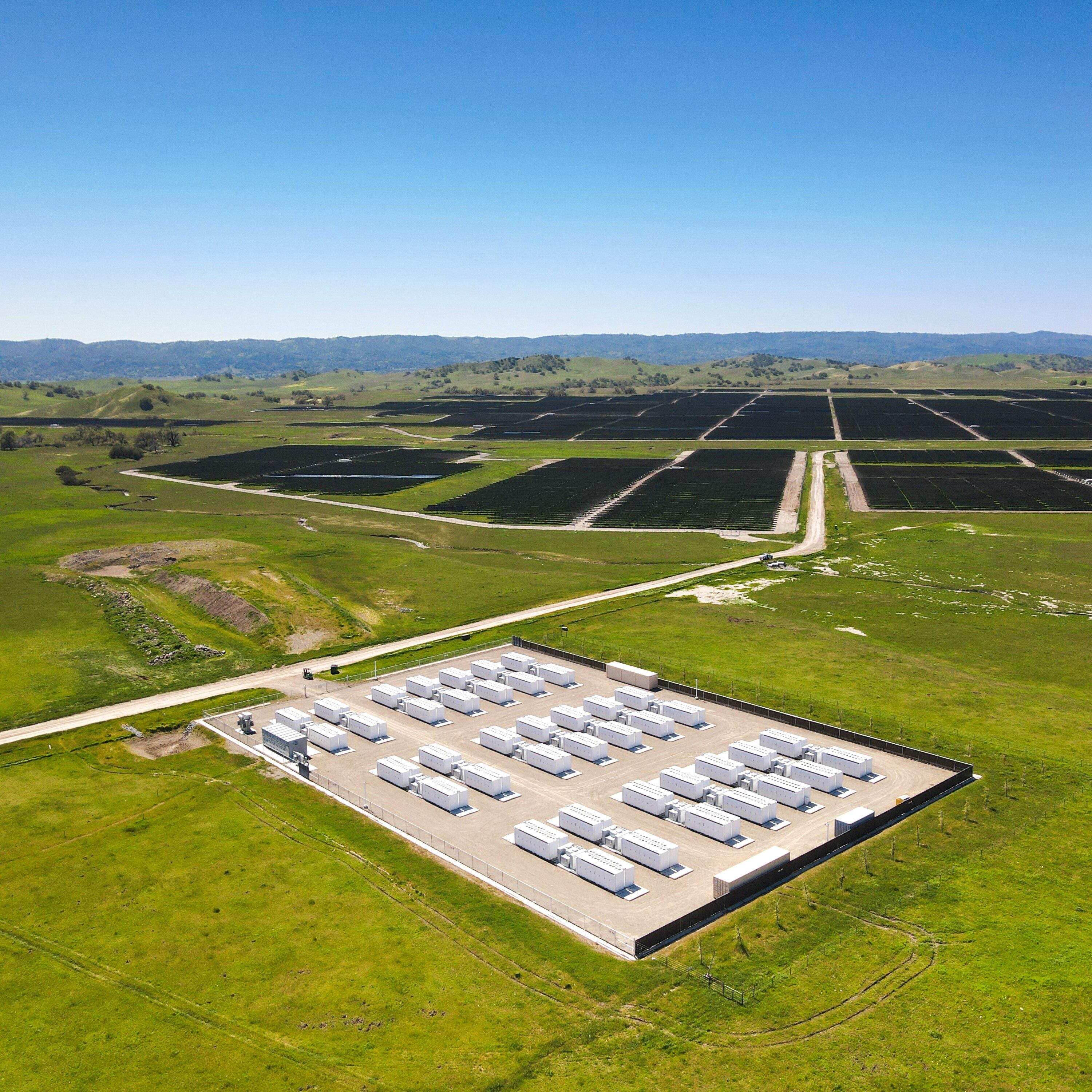
When batteries get a facelift, so does renewable energy
For years, renewable energy companies have faced a problem: How to store the mass amounts of energy they produce for later use. Batteries may be just the solution. In California, there's now enough grid-scale battery storage to power millions of homes for a few hours. Battery power is often the second largest source of energy on a given day in the state. So, we're revisiting the fast-growing technology with Cooper Katz McKim, a producer on The Indicator from Planet Money. Listen to the three-part battery series. Have questions about the future of energy? Contact us at shortwave@npr.org. Support public media with NPR+ and enjoy perks for over 25 podcasts like this one. This show’s perks include sponsor-free listening. Learn more at plus.npr.org. See pcm.adswizz.com for information about our collection and use of personal data for sponsorship and to manage your podcast sponsorship preferences. NPR Privacy Policy
Dr Amara Okafor
 🔬 Research
Research · Episode
Why you'll probably be misdiagnosed in your lifetime
Nearly every person will experience at least one diagnostic error in their lifetime. That means either a delayed diagnosis, a wrong diagnosis – or no diagnosis at all. That’s according to a report by the National Academies of Sciences, Engineering and Medicine from 2015 on diagnostic error. Today on the show we talk to a physician who was personally affected by the crisis, and New York Times editor and author of the book The Elusive Body: Patients, Doctors and the Diagnosis Crisis. If you liked this episode, check out these other episodes: - How science is taking tripping mainstream - What If You Took The "Trip" Out Of Ketamine? - Could Psychedelics Become Tripless? - The Reality Of OCD Interested in more medical science? Email us your question at shortwave@npr.org. Support public media with NPR+ and enjoy perks for over 25 podcasts like this one. This show’s perks include sponsor-free listening. Learn more at plus.npr.org. See pcm.adswizz.com for information about our collection and use of personal data for sponsorship and to manage your podcast sponsorship preferences. NPR Privacy Policy
Dr Amara Okafor
Resource · Reading
Five papers every foundation-phase teacher should know
These reviews summarise the research base on early reading and shared book reading.
Dr Amara Okafor
3 sources
💡 Idea
Idea · Episode
Nilanjan Das on Buddhist Philosophy and Caste
There is a long tradition of caste in South Asia. In this episode of the Philosophy Bites podcast Nilanjan Das discusses a pre-modern philosophical critic of the whole system, and particularly of its underlying metaphysical assumptions. This episode was supported by the Ideas Workshop, part of the Open Society Foundations
Dr Amara Okafor
💡 Idea
Idea · Episode
Lani Watson on the Power of Questions
What is a question? It seems obvious, but perhaps it isn't. Lani Watson has just published a book on the topic. She thinks that true questions can be identified by their function, not by their form. She explains what she means by this and why questions matter so much in philosophy and elsehwere.
Dr Amara Okafor
💡 Idea
Idea · Episode
Peter Singer on Ending Innocent Lives
The utilitarian philosopher Peter Singer has controversial views about when it is acceptable to end a human life. In conversation with David Edmonds he explains his approach, using examples from a range of areas, including infanticide. Some listeners may find some aspects of this discussion disturbing.
Dr Amara Okafor
Collections
No public collections yet.
Sources
No sources shared yet.